top of page
Field of flowers

FAIRSHARE BLOG

Farming is so many things.


It’s land stewardship, community care, and growing beautiful food. It’s also physically demanding, can be all-encompassing, and is usually full of best laid plans that sometimes go right but other times require last-minute pivoting. 


Ultimately, it’s the hands in the dirt that make smaller scale diversified farming possible in our region. And those hands belong to both farm owners and hired farmworkers.


Hand harvesting spinach

It’s pretty common for farming and other labor-intensive industries to be viewed as unskilled. The thought that, “It’s hard work, but it’s not all that complicated.”


At FairShare, we recognize farm work as skilled work. One of the ways we are supporting this is through the Organic Vegetable Farm Manager Apprenticeship program - the first of its kind in the country! 


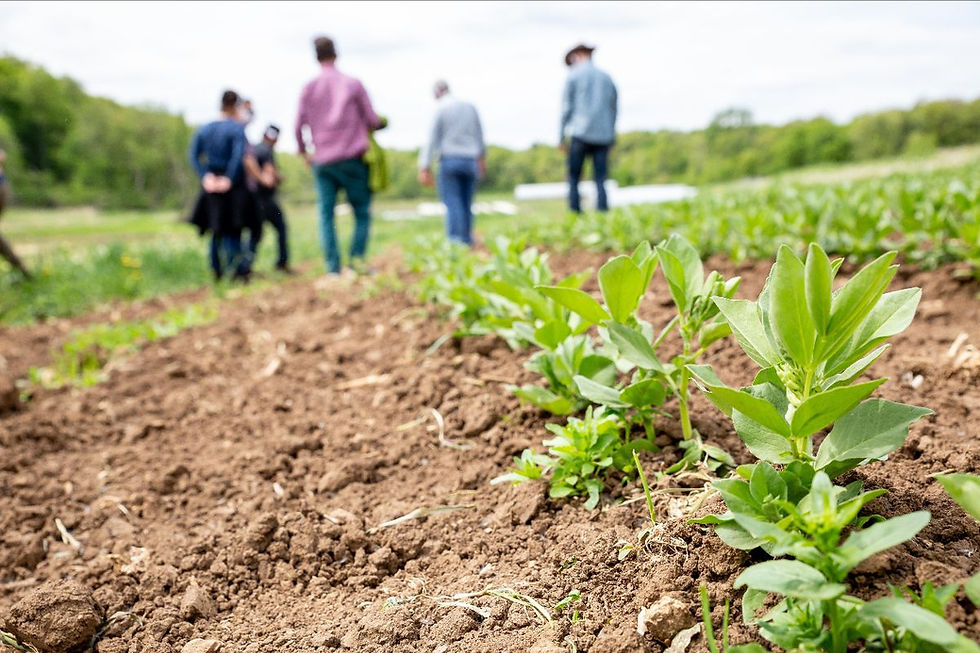
Apprentices work side by side with experienced farmers to learn the ins-and-outs of what it takes to run an organic vegetable farm. In doing so, the program connects established farms with dedicated longer-term employees who are motivated to learn, and offers a structure for apprentices to develop their skills while being paid a progressive wage. 


A group of apprentices walk through a field of sunflowers during a field day

While they move through the day-to-day work, farmers are also constantly contending with – you guessed it: weather. And despite what the weather may be, the reality is that farmers often need to be out in the field for some period of time most days. 


As we see more days with unhealthy air quality and as temperatures rise, questions of what farming can - and maybe should - look like during these conditions are moving to the forefront. In response, FairShare is connecting farmers with tools and resources that will help keep people safe in real time while also building safety into their farm cultures.


As conditions for farm work continue to evolve, we are committed to supporting our growers to weather those conditions while valuing their labor as they work to feed our communities.


Resources:

Thinking about getting a Community Supported Agriculture (CSA) share but have some hesitations? We get it — there are plenty of misconceptions floating around about CSA. But we're here to set the record straight and show you why signing up might be one of the best food decisions you make this year!


Myth #1: CSA is Too Expensive

💰 Reality: A CSA can actually save you money!


When you break it down, a CSA share often costs less per week than shopping for the same quality produce at a grocery store. Plus, you’re getting peak-freshness, locally grown food while directly supporting farmers. Win-win!


Ways to make a CSA more affordable:

  • Meal plan around your share to maximize value

  • Store produce properly to reduce waste

  • Consider splitting a share with a friend

  • Check for payment plans or sliding scale options


Myth #2: I Won’t Use Everything in My CSA Box

🥕 Reality: You’d be surprised how easy it is!


Worried about food waste? Many farms offer storage tips, meal plans, and simple recipes to help members make the most of your share.


Plus, you can always freeze extra produce, swap items with a friend, or try a quick and easy meal like a salad (toss greens with a simple dressing), stir-fry (throw veggies in a pan with your favorite sauce) or soup (blend extra veggies into a cozy, nutritious meal).


Myth #3: CSA Only Runs in the Summer

🍂 Reality: Many farms offer fall, winter, and even year-round options!


While summer shares are the most well-known, many CSA farms provide fall and winter shares with hearty root vegetables, squash, and leafy greens. And CSA isn't just for vegetables - may farms also offer local grains, eggs, and even meat or dairy add-ons.


Myth #4: CSA is Only for Serious Cooks

🍳 Reality: If you can chop and toss veggies in a pan, you’re good to go!


You don’t need to be a master chef to enjoy a CSA. Simple, no-fuss meals like roasted veggies, sheet pan dinners, and smoothies make it easy to use fresh produce without spending hours in the kitchen. Plus, your CSA will introduce you to new ingredients in an approachable way - no fancy knife skills required!


Myth #5: I’ll End Up with a Fridge Full of Weird Veggies

😆 Reality: You’ll get a mix of familiar favorites and fun new finds!


Sure, you might meet a veggie you’ve never tried before (we're looking at you, kohlrabi), but that’s part of the adventure! Most CSA boxes include plenty of well-known staples like greens, carrots, tomatoes, and potatoes, along with the occasional surprise.


Ready to Try a CSA?

CSA makes eating fresh, local food easy, affordable, and fun. Whether you’re a seasoned home cook or just looking for an easy way to eat better, there’s a CSA option that can work for you.


Hands pulling ripe tomatoes from a basket

So, you’ve signed up for a Community Supported Agriculture (CSA) share—congrats! You’re about to enjoy a season of farm-fresh produce while supporting your local farmer.


But if you’re new to CSA, you might be wondering: What comes next?


Don’t worry—we’ve got you covered! Here are some simple tips to help you get the most out of your CSA box each week:


  1. Mark Your Calendar

    Most CSAs operate on a set schedule (weekly or biweekly pickups). Add reminders to your phone or write it down so you don’t miss a box - and don't forget to note the pickup location!


  2. Make sure you have the right tools

    CSA produce is fresh and sometimes unique, so make sure you have the right tools to make kitchen prep easier. You can find a comprehensive list here, but focus on the basics first: a sharp knife & cutting board, a sheet plan, a salad spinner, and a veggie peeler.


    Pro tip: check out second-hand stores or yard sales to find affordable options!


  3. Learn how to store your produce

    Not all vegetables need the same storage: A few key tips:


    🥦 Leafy greens – Store in a damp towel or breathable bag in the crisper drawer.

    🥕 Root vegetables – Keep carrots, beets, and radishes in a container with water or a produce drawer (remove greens first - you can eat them, too!).

    🍅 Tomatoes & squash – Store at room temperature for the best flavor.

    🧅 Onions & potatoes – Keep in a cool, dark, dry place (not the fridge, and not together - keep onions and potatoes apart).

    📦 Many CSAs provide storage tips in their newsletters, so be sure to check!


    Here's a great resource on how to get a storage plan ready for your veggies each week.


  4. Get to know your farmer

    Your CSA farm likely sends out newsletters, recipe ideas, or updates about what’s happening on the farm. Follow their social media, read their emails, and check if they offer farm visits or events.


  5. Plan your meals around your box

    You'll get different veggies every week in your CSA share, so a little meal planning can help keep things calm in the kitchen (and avoid waste). Start collecting ideas on what you want to try - look for CSA-friendly recipes that help you use up multiple veggies in one dish (think stir-fries, soups, and salads).


    Need inspiration? Check out Cooking with our CSA for tons of great ideas on what to do with a CSA (and what pantry staples you'll need) or find a cookbook featuring lots of produce, like FairShare's From Asparagus to Zucchini or Farm-Fresh & Fast.


  6. Get excited!

    Part of the joy of a CSA is the surprise factor - eating with the seasons and discovering new flavors. Embrace the adventure and celebrate the connection to your local farm!


Man and woman holding a CSA box filled with veggies


bottom of page